Back pain is one of the most common complaints among adults. Whether triggered by long hours at a desk, heavy lifting, stress-related tension or an older injury resurfacing, the desire for relief is universal. At Park Lane Wellness we believe that massage can play an important role in a well-rounded approach to back health. Here we explore what the evidence says, how sophisticated massage works, and how you can optimise the experience for better outcomes.
What the Research Shows
Evidence in brief
- A systematic review concluded that therapeutic massage may reduce pain and disability for non-specific low back pain, when compared with no treatment or relaxation therapies—but the evidence is inconsistent and, in many cases, of low to moderate quality. (PMC)
- One Cochrane-style review found improvements in pain intensity and function for adults with sub-acute or chronic low back pain versus inactive controls; but beyond six months, long-term benefits were weak or unsupported. (PubMed)
- According to the American Massage Therapy Association (AMTA), research has shown that massage therapy can decrease low back pain and disability associated with it, as well as reduce anxiety or depression that may accompany chronic back pain. (American Massage Therapy Association)
- More recent meta-analyses note that while there are positive signals (especially short term), the certainty of evidence remains low for many massage therapy applications in back pain. (JAMA Network)
Key take-aways
- Massage is not a guaranteed cure for back pain, especially chronic or structural issues, but it can be a valuable component of relief, particularly when the pain is muscular, postural or related to tension.
- The greatest gains tend to appear in the short term (weeks to a few months) rather than as a sole long-term solution.
- Massage often works best in combination with other forms of care (exercise, movement, postural change, therapy) rather than as an isolated treatment.
Why Massage Can Help Back Pain
At its core, a well-performed back massage works through multiple physiological and mechanical mechanisms:
- Muscle relaxation and tone regulation: Massage can reduce elevated muscle tone, ease tight bands of muscle or ‘knots’, and allow the spine and supporting structures to move more freely. (ScienceDirect)
- Improved circulation and tissue health: By increasing blood flow and promoting lymphatic drainage, massage supports removal of metabolic waste and helps nourish the soft tissues around the spine. (Mayo Clinic Health System)
- Neuro-modulation of pain: Massage may trigger the release of endorphins (the body’s natural analgesics), reduce the stress hormone cortisol and thereby help alter the pain perception pathway. (Medical News Today)
- Postural reset: Many back pains are aggravated by poor posture, prolonged sitting or asymmetrical loading. A skilled therapist can assess and manually release tension in the lumbar, thoracic or shoulder regions that contribute to the underlying issue.
- Psychological and stress-modulation effect: The relaxation component is not trivial. Elevated systemic stress can perpetuate muscle tension, and by reducing stress and promoting calm, a massage can indirectly ease pain. (NCCIH)
When Massage Works Especially Well
Based on the research and treatment experience, you’re likely to derive meaningful benefit from a back‐focused massage in the following scenarios:
- The pain is non-specific, muscular or tension-related rather than due to a major structural injury (for instance, disc herniation with nerve-root involvement).
- You’re experiencing a recent flare, perhaps after prolonged sitting, travel, poor ergonomics, or an unusually heavy load on your spine.
- You are willing to incorporate upkeep: movement, stretching, postural correction and possibly repeat sessions, rather than expecting a single massage to “fix” the problem.
- You choose a therapist who is skilled in therapeutic massage, not merely a superficial relaxation session, and communicates well about pressure, technique and follow-through.
When Massage Might Be Less Effective (or Require Caution)
There are times when massage alone may not address the root cause, and in some cases it may even require modification. Consider the following:
- If your pain is due to a serious underlying structural pathology (for example, severe spinal stenosis, spondylolisthesis, uncontrolled inflammation, bone fracture or tumour), massage should be part of a larger treatment plan, not the singular intervention.
- If there is acute inflammation, infection, or recent surgery, deep or aggressive massage may be contraindicated until cleared by a clinician.
- Some studies show the benefits decline over time if massage is used in isolation and not integrated into broader management. (kpwashingtonresearch.org)
- As the evidence base points out, duration, frequency, and technique matter — what works for one person may not for another, and unrealistic expectations can lead to frustration.
Making Massage at Park Lane Wellness Work for You
At Park Lane Wellness in Mayfair, we ensure each back massage session is designed with the highest level of precision, comfort and luxury. Here are pointers to make the most of your experience:
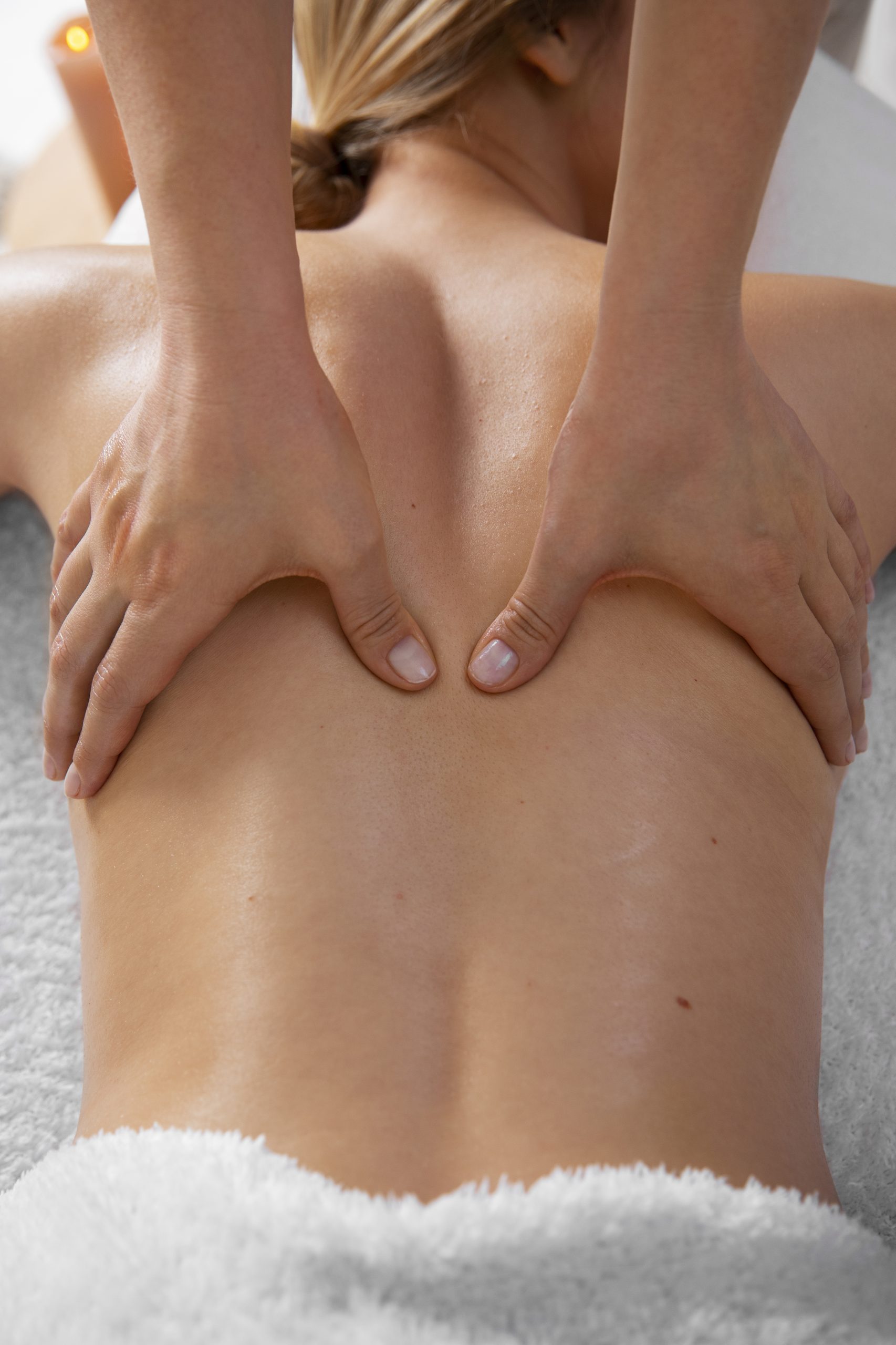
- Begin with a thorough assessment: Before your massage begins we ask about your history, pain patterns, posture, lifestyle, and any prior treatments. This allows the therapist to tailor the session specifically to your back-pain profile.
- Choose the right style and intensity: Whether you need deeper release (for entrenched muscular tension) or gentle therapeutic work (for fresher strain), the pressure and technique should adapt to your condition and comfort.
- Commit to a short course if needed: While a single session can offer relief, for meaningful outcomes in persistent back pain often a series of 3-6 sessions spaced weekly or fortnightly yields the best response.
- Integrate follow-up self care: After your session we recommend movement (gentle stretching, walking), postural awareness (desk ergonomics, sleep position) and possibly complementary treatments such as our lymphatic drainage or hammam (which can help circulation and reset).
- Maintain as part of your wellness rhythm: For many of our clients this type of back massage becomes part of their luxury wellness maintenance – not just reactive but proactive, helping to uphold spinal health, posture and relief from accumulation of tension.
In Summary
To answer the question: yes, back massages can be a very good (and often under-used) component of a back-pain strategy - especially when the pain stems from muscular tension, posture, stress or cumulative strain rather than a serious structural issue alone. The evidence supports a benefit in the short term for pain relief and improved function, though it is not a silver bullet and less consistently effective on its own for long-term structural back disorders.
By choosing a private, premium spa environment such as Park Lane Wellness, you gain not just a treatment but a curated experience: specialist therapists, bespoke technique, impeccable comfort and integration into a purposeful wellbeing framework.
If you’d like to explore how our specialised back massage service can support you or a loved one, we invite you to discover our dedicated offering here: Back Massage Treatment at Park Lane Wellness












.svg)
.svg)