


A realistic framework for busy, high-performing lives
Wellness in Central London doesn’t fail because people don’t care.
It fails because most advice ignores reality.
Long working hours, constant stimulation, high expectations, and limited mental bandwidth mean traditional “perfect routines” collapse within days. The answer isn’t more discipline, it’s better design.
A weekly wellness routine should quietly support your life, not compete with it.
In practice, wellness isn’t about peak optimisation.
It’s about maintaining your baseline.
For most professionals, stress doesn’t arrive dramatically; it accumulates:
True wellness work doesn’t chase motivation. It prevents decline.
The most effective routines don’t aim to make you feel amazing every day, they aim to stop you feeling depleted most days.
The most common pattern is overcommitment.
People attempt to stack:
This works for a week. Then real life intervenes.
The problem isn’t willpower, it’s cognitive load.
A routine that requires daily decision-making eventually collapses.
Sustainable wellness reduces decisions. It relies on anchors, not habits scattered across the week.
The most effective approach for Central London life is a two-anchor system, supported by flexible recovery.
This is the most important part of the routine.
A reset session is:
This could be a massage, a hammam experience, or a guided treatment designed to release both muscular and mental tension.
Why it works:
For many professionals, one session every 7–10 days creates a noticeable difference in sleep, focus, and emotional resilience.
This is not indulgence. It’s maintenance.
Active recovery is not exercise in disguise.
It’s movement without performance:
The purpose is circulation, decompression, and mental quiet, not output.
This anchor is flexible but intentional. It reminds the body that it doesn’t always need to operate in “high alert” mode.
The rest of the routine adapts to your week.
On high-stress days, flexibility matters more than discipline:
This is where many people fail by aiming for perfection.
Wellness isn’t about never having late nights, it’s about recovering intelligently when you do.
Self-care habits are valuable, but they have limits.
Professional treatments work faster because:
From experience, the people who benefit most are not the ones in crisis, they’re the ones who book before they feel broken.
Consistency here creates a compounding effect: stress doesn’t disappear, but it stops stacking.
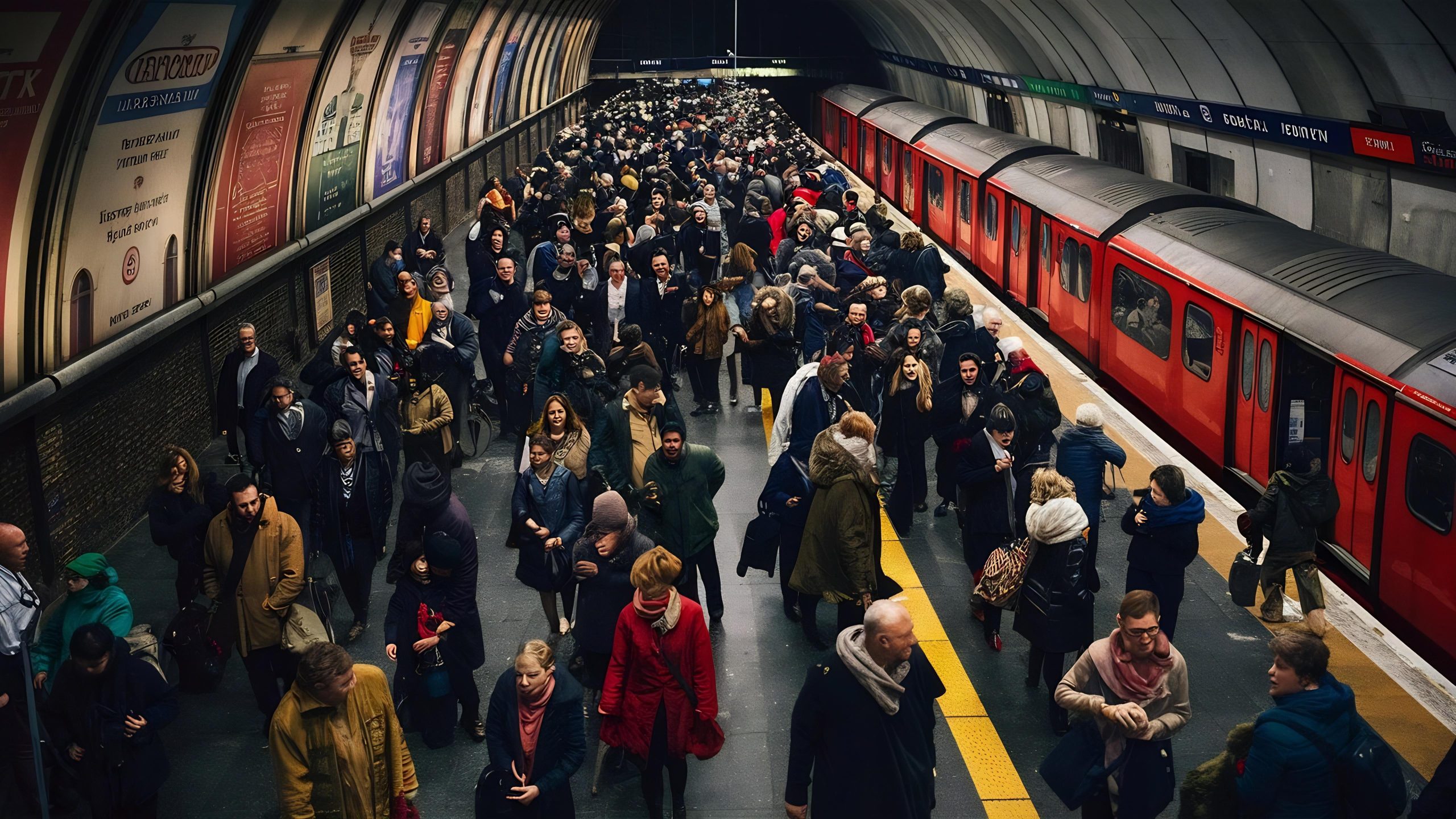
Central London amplifies everything:
But it also offers something rare: high-quality, discreet wellness access close to work and home.
When wellness is private, convenient, and well-designed, it becomes sustainable rather than aspirational.
The environment matters more than people realise.
The results aren’t dramatic, they’re durable.
People notice:
The biggest shift is subtle:
Life still moves fast, but it feels more manageable.
A weekly wellness routine isn’t about relaxation.
It’s about protecting your capacity.
For high-performers, wellness isn’t separate from work; it supports it.
In a city that rewards intensity, the smartest strategy isn’t slowing down completely.
It’s building a system that allows you to keep going, calmly, sustainably, and on your own terms.
You don’t need a perfect routine.
You need one that survives busy weeks.
One reset.
One recovery anchor.
Everything else adapts.
That’s how wellness becomes part of life, not another thing to manage.
Lorem ipsum dolor sit amet, consectetur adipiscing elit.


JOIN THE PARK LANE COMMUNITY
Join our community and receive exclusive wellness tips, seasonal offers, and early access to new treatments.

Experience the art of wellness









.svg)
.svg)