


Self care has changed.
What used to be quick fixes and surface-level habits has evolved into something deeper. Today, people are turning everyday moments into intentional rituals. Not because it looks good on social media, but because it genuinely works.
From morning skincare routines to immersive spa experiences, ritual-based self care is becoming the standard for how people reset, recharge, and stay consistent.
So why has this shift happened, and why does it matter?
Ritual-based self care is the practice of turning routine actions into intentional, meaningful experiences.
It is not just about what you do, but how you do it.
A shower becomes a reset
A facial becomes a moment of stillness
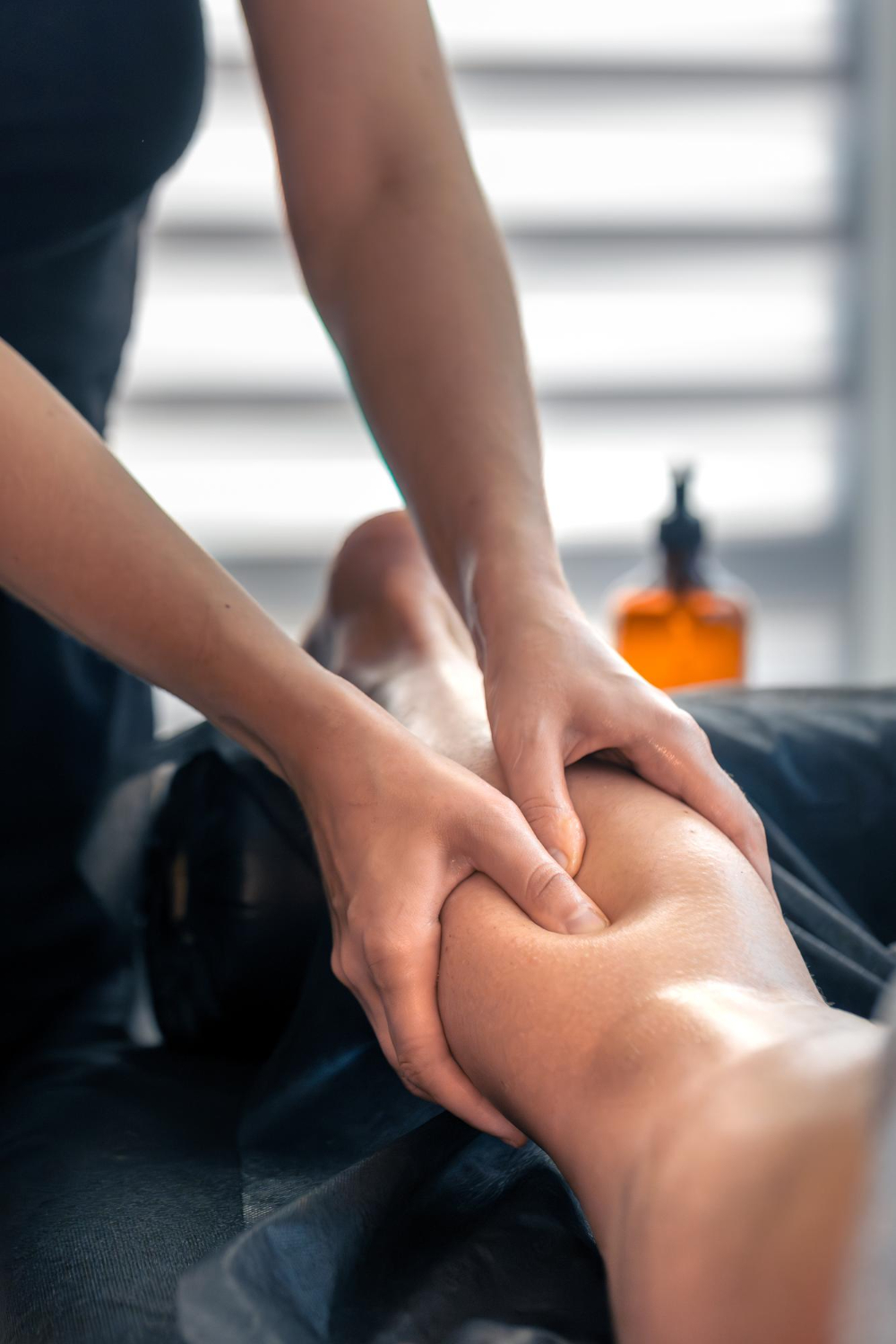
A massage becomes a full-body recalibration
The key difference is presence and intention.
Instead of rushing through tasks, rituals create space to slow down, engage your senses, and mentally switch off from external pressure.
There is a reason rituals feel powerful. They tap into how the brain naturally seeks structure, meaning, and control.
Rituals signal safety to the brain. Repetition and familiarity lower cortisol levels and help the nervous system relax.
In a world where work and life blur together, rituals create clear transitions. They mark the end of one state and the beginning of another.
People struggle with habits because they feel like effort. Rituals feel rewarding, so they are easier to stick to long term.
By focusing on touch, scent, warmth, and movement, rituals pull attention away from stress and into the moment.
The biggest change in self care is how people view it.
It is no longer a luxury reserved for special occasions. It is becoming part of everyday performance.
High performers, professionals, and business owners are leading this shift. They are not investing in self care for indulgence, but for:
Better focus
Higher energy
Faster recovery from stress
Long-term wellbeing
This is why experiences like hammams, deep tissue treatments, and advanced facials are no longer occasional. They are scheduled, repeated, and prioritised.
Ritual-based self care works because it engages the senses.
Heat relaxes muscles
Water soothes the nervous system
Touch releases tension
Scent triggers emotional calm
This multi-sensory effect is what separates rituals from basic routines.
It is also why immersive environments, like private spa experiences, are so effective. They remove distractions and allow the body to fully switch off.
Basic self care often fails because it lacks depth.
A quick skincare routine done while checking your phone does not create the same effect as a fully intentional ritual.
The modern lifestyle is fast, noisy, and constantly connected. Surface-level habits cannot counterbalance that.
Rituals, however, create contrast. They slow everything down.
That contrast is what makes them powerful.
You do not need to completely overhaul your routine. You just need to upgrade how you approach it.
Choose something you already do daily. Showering, skincare, or even making coffee.
No phone. No rushing. Just focus on the experience.
Use heat, texture, scent, or sound to deepen the moment.
Rituals gain power through repetition. The more consistent they are, the stronger the effect.
This is not a trend that will disappear.
As people become more aware of stress, burnout, and performance demands, the need for structured recovery will only grow.
Ritual-based self care sits at the intersection of wellness, performance, and lifestyle. It offers something people are actively searching for:
A way to slow down without losing momentum.
The future is not about doing more.
It is about doing things differently.
More intentional
More immersive
More effective
Whether it is a daily routine or a full private spa experience, rituals are redefining how people take care of themselves.
And the brands that understand this shift will lead the next era of wellness.
Lorem ipsum dolor sit amet, consectetur adipiscing elit.


JOIN THE PARK LANE COMMUNITY
Join our community and receive exclusive wellness tips, seasonal offers, and early access to new treatments.

Experience the art of wellness




.svg)
.svg)