


The history of hammam treatments is rich and intricate, reflecting a legacy of wellness and social ritual that spans centuries. Originating from ancient cleansing and healing practices, the hammam is more than just a bath; it is a holistic therapy woven into cultural and religious traditions. Embraced by civilisations from the Roman thermae to Islamic hammams, each has contributed unique techniques and philosophies. Today, this enduring legacy influences modern spa practices by merging time-honoured traditions with contemporary wellness trends.
In this article, we explore the origins of hammam treatments by examining their historical background, cultural evolution, traditional techniques, and social, health, and spiritual significance. We also discuss how these ancient practices inform modern wellness services and where authentic experiences can be found today, while dispelling common myths about their origins.
Hammam treatments have a diverse background. These ancient bathing rituals served hygienic and therapeutic purposes while also integral to public health, social interaction, and spiritual purification.
Hammam baths emerged in antiquity. Early evidence comes from ancient Rome, where large public baths, the thermae, provided cleansing and relaxation. Historical texts describe the use of warm water, steam, and cooling treatments, which detoxified the body and promoted community dialogue. While basic public baths existed in Mesopotamia and Egypt, structured and ritualistic communal bathing was perfected in Rome. Engineering innovations such as hypocaust systems circulated warm air and laid the foundation for later bathing traditions.
The Greeks and Romans influenced both the design and philosophy behind communal baths. Greek gymnasia incorporated relaxation and social interaction, while Roman bath complexes evolved into symbols of civic pride. As these traditions passed to Byzantine societies, enhanced techniques in heating and ventilation and refined decorum emerged. These methods were later absorbed into Islamic culture, where spiritual and ritual purification were added, deepening the hammam’s cultural significance.
Key milestones include: • The preservation of bath culture by Byzantine societies after the decline of Rome. • The evolution into sacred spaces for ritual purification (wudu) with the rise of Islam in the 7th century. • The Ottoman period, when figures like Mimar Sinan designed grand hammams featuring marble interiors, intricate tile work, and sophisticated hypocaust systems. • A modern revival that has transformed ancient practices into inspirations for contemporary hydrotherapy, exfoliation, and relaxation treatments.
The evolution of hammam treatments reflects adaptations to various climates, materials, and social needs. Each culture that adopted the hammam refined its methods and integrated specific local customs, resulting in diverse yet interconnected traditions.
Roman baths provided the structural and functional blueprint for the hammam. With multi-stage processes—temperate rooms for warming, hot rooms (caldarium) for sweating, and cold rooms (frigidarium) for refreshing—the Romans combined practicality with aesthetic appeal. Byzantine baths maintained these principles while adding a refined decorum and enhanced privacy, thus laying the groundwork for the classical hammam as their influence spread through Anatolia and the Levant.
Islamic culture enriched the hammam tradition by emphasising ritual purification in addition to physical cleansing. In the Muslim world, where cleanliness is a tenet of faith, hammams became essential for preparing for prayer (wudu). Their architecture—featuring domed ceilings, intricate geometric patterns, and ambient lighting—created a meditative atmosphere that enhanced both the physical and spiritual experience. Iconic hammams in Istanbul and near Hagia Sophia remain testaments to this blend of devotion and self-care.
Regional practices vary: • In North Africa’s Maghreb, hammams are accessible public spaces that promote social interactions and community bonding, built with robust, earthy materials. • In Turkey, the Turkish bath (or “hamam”) has evolved into a luxurious experience with marble interiors, ornate decoration, and structured massage and scrub rituals. • In the Middle East—from Iran to the Levant—hammam techniques often incorporate medicinal herbs, ambient music, and guided meditation, emphasising the space as a sanctuary of well‐being.
The Moroccan hammam, a quintessential element of Morocco's cultural heritage, stands out distinctly from other types of hammam often found in various parts of the world. While the concept of a communal bath can be traced back to ancient Roman and Byzantine traditions, the Moroccan interpretation offers a unique blend of indulgence, ritual, and social interaction. In contrast to the more minimalist or utilitarian approaches seen in Turkish or Middle Eastern baths, the Moroccan hammam is often characterised by its vibrant décor, warm ambient lighting, and an aromatic atmosphere filled with the scents of essential oils and herbal infusions. These elements create an inviting environment, allowing visitors to immerse themselves in a sensory experience that engages both body and spirit.
Moreover, the ritualistic aspect of the Moroccan hammam is integral to its appeal. Typically, the process involves a series of steps that enhance relaxation and purification, from steaming in a hot chamber to exfoliating with a natural scrub made from ghassoul clay or black soap. This method not only serves a hygienic purpose but also promotes a deep sense of connection to Moroccan traditions. Unlike some other hammam experiences that may prioritise efficiency, the Moroccan variant encourages a leisurely pace, often including social elements as friends gather to share in conversation and enjoyment. This communal aspect transforms the hammam into a vital social hub, making it a place where individuals can unwind, connect, and rejuvenate both physically and emotionally, thereby embodying a holistic approach to wellness that is distinctively Moroccan.
Traditional hammam treatments rely on a sequence of carefully planned techniques and rituals designed to cleanse, exfoliate, and relax the body while restoring the mind and spirit.
Hammam baths were organised to move gradually from warm to hot and finally cold environments. The typical layout includes a changing area, followed by a warm room (tepidarium) where the body acclimates to heat, a hot room (caldarium) that promotes deep sweating and cleansing, and a cooling area (frigidarium) used to normalise body temperature. Beyond personal hygiene, these communal spaces served as social hubs for conversation, business, and leisure, and even as centres for medical treatments, providing relief from ailments like rheumatism and arthritis.
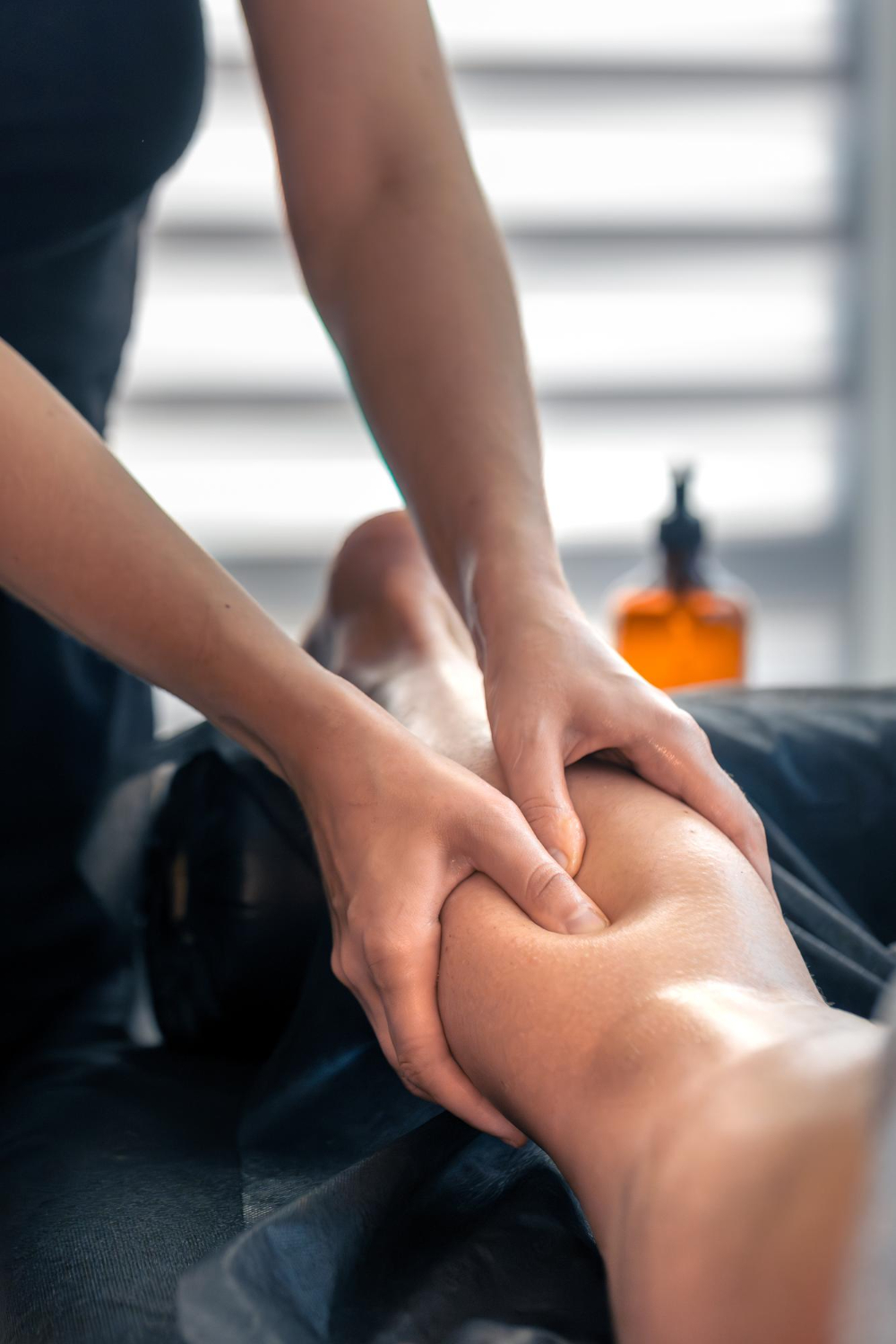
A hammam session generally follows these steps: 1. An initial undressing in a private area. 2. Entering a warm room to adapt to the heat. 3. Spending a prolonged period in a hot room on heated marble slabs to induce sweating and open pores. 4. Undergoing a thorough exfoliation using a kese (rough mitt) to remove dead skin and improve circulation. 5. Receiving massages that alleviate muscle tension. 6. Concluding with a cool water rinse and a final cooling phase to refresh and normalise body temperature.
Key tools and ingredients include: • The kese, used for vigorous exfoliation. • Traditional wooden or marble basins are designed to maintain water temperature and ensure a smooth, hygienic surface. • Natural ingredients such as olive oil soap, which moisturises and cleanses, botanicals like rosemary, thyme, and eucalyptus are often infused into the water or steam. • In some practices, herbal mixtures or mud packs further detoxify and nourish the skin, enhancing both the physical and sensory experience.
Hammam treatments went beyond cleansing; they were central to social, health, and spiritual life. They served as places where people could maintain personal health, build community ties, and experience ritual purification.

Hammams were major social centres in many communities. They were among the few public spaces where people of all social classes could meet, exchange news, conduct business, or even court prospective partners. The segregated areas for men and women ensured privacy while promoting social bonding. Bathing in a communal setting was considered a form of renewal, both physically and symbolically, often timed with religious festivals or significant life events.
Historically, the health benefits of hammams were well known. The regulated heat stimulates blood circulation, aids detoxification through sweating, and relaxes muscles, offering temporary relief from physical discomfort and building long-term resilience. Many historical texts document the therapeutic use of steam and water, noting improvements in respiratory health, joint pain, and skin conditions. The alternating heat and cooling cycle also provided a form of gentle exercise that improved cardiovascular health.
For many, the hammam was a place of ritual purification. In Islamic cultures, it was essential for performing wudu before prayer, lending the space a spiritual as well as a practical significance. Beyond Islam, other traditions regarded bath rituals as a metaphor for rebirth and cleansing of the soul. The act of washing away impurities was seen as both a physical and a spiritual renewal, making the hammam a sanctuary that bridged the material and the divine.
Traditional hammam treatments have left a lasting impact on modern wellness practices. Their combination of cleansing, social interaction, and spiritual renewal has inspired a range of contemporary spa therapies, many of which are offered in luxurious, boutique settings designed for today’s health-conscious clientele.
Many features of traditional hammams are still evident in modern spa treatments: • Heated marble surfaces and steam rooms remain central. • Ritualistic sequences that start with a warm steam session are followed by thorough exfoliation using natural scrubs echoing the traditional kese technique. • The use of olive oil, herbal infusions, and aromatherapy persists as nods to ancient practices. • Contemporary spa designs often draw inspiration from historic hammams, featuring natural light, soothing colours, and integrated water features that create a serene, luxurious atmosphere.
Modern spas have adapted hammam treatments by blending traditional methods with current technology. Many upscale wellness centres offer customised hammam experiences that replicate the heat and humidity of traditional baths, augmented by full-body massages with natural exfoliants and essential oils. State-of-the-art equipment, such as infrared steam generators and temperature-controlled chambers, helps optimise hydrotherapy benefits while ensuring safety. Additionally, personalised consultations integrate traditional ritual purification with modern wellness diagnostics to cater to individual needs.
The hammam tradition has inspired a wide range of wellness products and services. Premium skincare lines offer exfoliating scrubs and hydrating treatments infused with olive oil and botanicals characteristic of traditional hammams. Spa packages now include extended steam sessions and full-body treatments designed to deliver the complete spectrum of benefits associated with these ancient baths. Moreover, home wellness products such as portable steam devices and aromatherapy diffusers allow individuals to incorporate aspects of the hammam ritual into their daily routines.
For those seeking to reconnect with centuries-old cleansing and rejuvenation practices, authentic hammams can be found around the world. These establishments preserve original techniques and architectural designs while providing a sensory-rich experience that bridges history and contemporary luxury.

Authentic hammam traditions thrive in regions with deep historical roots: • In Morocco, cities like Marrakech and Fez are famed for their time-honoured and family-run hammams. • In Turkey, particularly in areas like Istanbul and historic neighbourhoods such as Tahtakale, you can experience Turkish baths that showcase Ottoman-era architecture and rituals. • Countries in the Middle East and North Africa—such as Egypt and Tunisia—continue to maintain vibrant hammam cultures. • Parts of southern Europe and the Mediterranean, where the Roman thermae influence still lingers, offer modern interpretations that seamlessly blend ancient techniques with contemporary comforts. And while steeped in tradition, the hammam experience is not limited to these regions — in London, Park Lane Wellness offers a refined, private hammam ritual that honours centuries-old practices in a serene Mayfair setting.
A visit to a traditional hammam offers multiple benefits: • Physically, the warm-to-cool sequence stimulates circulation, detoxifies the body, and renews the skin. • The hydrotherapy and deep exfoliation help alleviate muscle tension and promote cardiovascular health. • Socially, hammams provide unique cultural spaces for relaxation and communal interaction. • Spiritually, the ritual fosters mindfulness and personal renewal, offering a welcome respite from modern life’s stress.
Despite their ancient roots, several myths persist about hammam treatments. Many mistakenly believe that hammams were created solely for leisure. In fact, historical hammams served multiple roles, including hygiene, social gathering, medical therapy, and spiritual purification.
Common misconceptions include: • The belief that hammams were only for leisurely indulgence, rather than essential public facilities. • The idea that modern “Turkish baths” completely replicate ancient practices, ignoring modifications made for luxury and convenience. • The notion that hammam architecture is purely decorative, when every design element was intended to enhance the therapeutic experience. • The assumption that hammam traditions are uniform, despite significant regional variations reflecting different cultural influences.
Archaeological finds, ancient texts, and preserved structures—from Roman ruins to Byzantine manuscripts and Ottoman blueprints—reveal a continuous evolution of bath culture. These sources confirm that the hammam is an adaptation of earlier public bathing traditions with clearly defined roles in communal cleansing and health maintenance. Conservation of historic hammams further demonstrates that these practices are deeply rooted in a long and complex history.
Q: What exactly distinguishes a traditional hammam from a modern spa treatment? A: A traditional hammam is rooted in centuries-old practices that combine heat, steam, and natural exfoliation in a structured ritual. Unlike many modern spas focused solely on luxury, the hammam emphasises communal, ritualistic cleansing and spiritual renewal with preserved architectural elements and natural ingredients.
Q: How has the hammam tradition been preserved over time? A: Its preservation is due to deep cultural and religious significance in regions like the Middle East, North Africa, and Turkey. Many historic hammams still operate in authentic settings, supported by modern conservation and cultural heritage initiatives.
Q: Are there any documented health benefits of undergoing a hammam treatment? A: Yes. Hammam treatments improve blood circulation, promote detoxification through sweating, relieve muscle tension, and refresh the skin through vigorous exfoliation. Modern hydrotherapy supports these benefits by demonstrating improvements in cardiovascular health and stress reduction.
Q: Which regions offer the most authentic hammam experiences today? A: Authentic experiences are found in Morocco, Turkey, Egypt, and Tunisia. In Turkey, historic baths offer a glimpse into the Ottoman era, while cities like Marrakech in Morocco continue traditional family-run practices.
Q: How do modern wellness centres integrate hammam traditions into their services? A: They adapt the core principles of the ancient ritual—heat, steam, exfoliation, and cooling—into spa treatments that blend traditional techniques with modern amenities like hydrotherapy equipment and personalised treatment plans.
Q: Can regular hammam treatments contribute to long-term health improvements? A: Yes. By promoting detoxification, improved circulation, and relaxation, regular treatments may result in sustained benefits such as enhanced skin health, reduced muscle tension, and overall improved physical vitality. The ritual also supports mental wellness through regular mindfulness.
Q: What should one expect during an authentic hammam session? A: An authentic session begins in a tepidarium and progresses to a hot room for deep sweating, followed by careful exfoliation using a kese, natural soap applications, and often a massage. A cooling phase then finalises the treatment, leaving guests feeling cleansed, refreshed, and relaxed.
Lorem ipsum dolor sit amet, consectetur adipiscing elit.


JOIN THE PARK LANE COMMUNITY
Join our community and receive exclusive wellness tips, seasonal offers, and early access to new treatments.

Experience the art of wellness





.svg)
.svg)