



In Mayfair boardrooms, private members’ clubs and founder circles, something has quietly shifted.
The most driven people in the room are no longer glorifying exhaustion.
They’re scheduling recovery.
Not because they’ve slowed down.
Because they’ve understood something others haven’t:
Sustained performance requires nervous system management — not willpower.
At Park Lane Wellness, we’re seeing a clear pattern. The individuals operating at the highest levels are no longer asking, “How can I push harder?”
They’re asking, “How can I last longer — without burning out?”
This guide explains why.
Hustle culture built empires — but it also built cortisol dependency.
Chronic stress activates the sympathetic nervous system — the fight-or-flight response. In short bursts, this sharpens focus and increases output.
But prolonged activation leads to:
High-performers often describe it the same way:
“I’m wired but exhausted.”
They’re functioning — but not optimally.
The body was never designed for permanent urgency.
Elite athletes build recovery into their training because adaptation happens during rest — not during exertion.
CEOs and founders are beginning to understand the same principle.
Performance = Stress + Recovery.
Without recovery, stress becomes deterioration.
And deterioration doesn’t show up immediately. It shows up subtly:
This isn’t weakness.
It’s biology.
Recovery isn’t lying on a beach once a year.
True recovery is:
It is deliberate nervous system regulation.
At Park Lane Wellness, recovery is approached as structured performance optimisation — not indulgence.
When cortisol lowers and HRV improves, cognitive clarity increases. Strategic thinking becomes calmer and more precise.
Leadership requires composure. Recovery strengthens the ability to respond instead of react.
Chronic stress accelerates ageing — internally and externally. Skin barrier breakdown, inflammation and collagen loss are strongly linked to sustained stress exposure.
When the nervous system is regulated, energy becomes stable — not dependent on caffeine and adrenaline.
Burnout creates inconsistency. Recovery protects long-term output.
Encourages fluid movement, reduces puffiness, and lowers systemic inflammation — particularly effective for individuals under chronic stress.
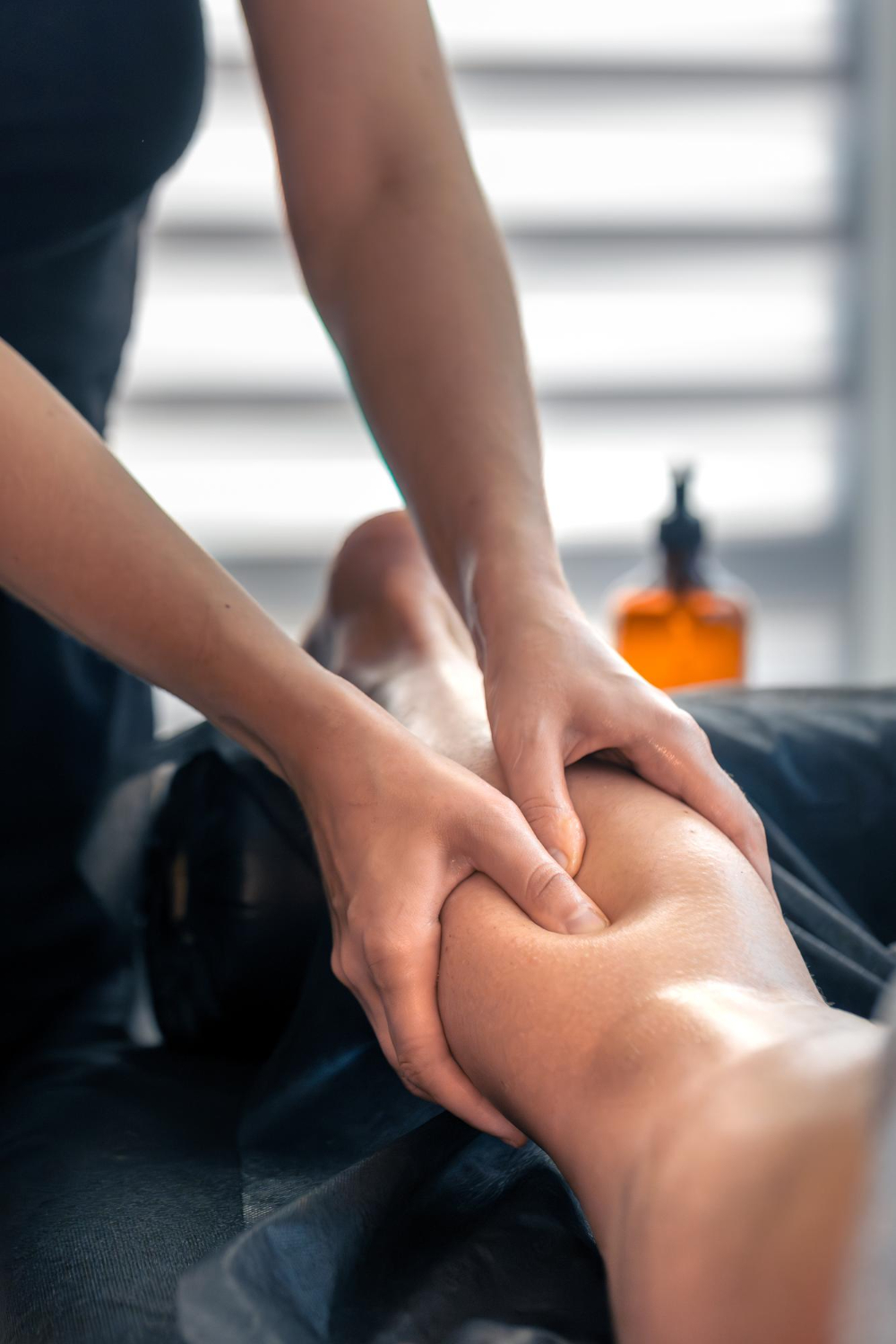
Releases long-held tension patterns commonly found in shoulders, jaw and lower back — areas frequently overloaded in high-responsibility roles.
The steam environment promotes circulation, detoxification and muscular release, while exfoliation stimulates lymphatic flow. Beyond the physical, it creates psychological decompression — something many high-performers struggle to access alone.
There are two primary states:
Most high-performers live in sympathetic dominance.
Recovery practices shift the body back into parasympathetic mode, where:
This isn’t soft science.
It’s measurable physiology.
HRV tracking, cortisol markers and sleep quality data all reflect this shift.
There’s a misconception that rest equals complacency.
The opposite is true.
Disciplined recovery is strategic restraint.
The most successful individuals are no longer proud of exhaustion. They’re proud of sustainability.
Because true power isn’t operating at 110% for 12 months.
It’s operating at 85–95% consistently for decades.
“I don’t have time.”
If performance is your asset, recovery protects the asset.
“I’ll rest when things slow down.”
They don’t.
“I function well under pressure.”
Short-term, yes. Long-term, pressure reshapes physiology.
These are not minor inconveniences.
They are early warning signals.
Modern work is cognitively intense but physically static. High responsibility with minimal physical discharge creates neurological overload.
At the same time, longevity conversations are becoming mainstream.
Wealth without health has lost its appeal.
In areas like Mayfair and central London, recovery is increasingly seen not as spa culture — but as performance culture.
If you’re new to this concept, start here:
Recovery isn’t reactive.
It’s preventative.
Because they understand something fundamental:
Burnout doesn’t happen overnight.
It compounds quietly.
So does optimisation.
At Park Lane Wellness, recovery is not positioned as indulgence.
It is structured nervous system management for individuals who operate at high levels and intend to stay there.
Hustle built momentum.
Recovery builds longevity.
Lorem ipsum dolor sit amet, consectetur adipiscing elit.


JOIN THE PARK LANE COMMUNITY
Join our community and receive exclusive wellness tips, seasonal offers, and early access to new treatments.

Experience the art of wellness








.svg)
.svg)