


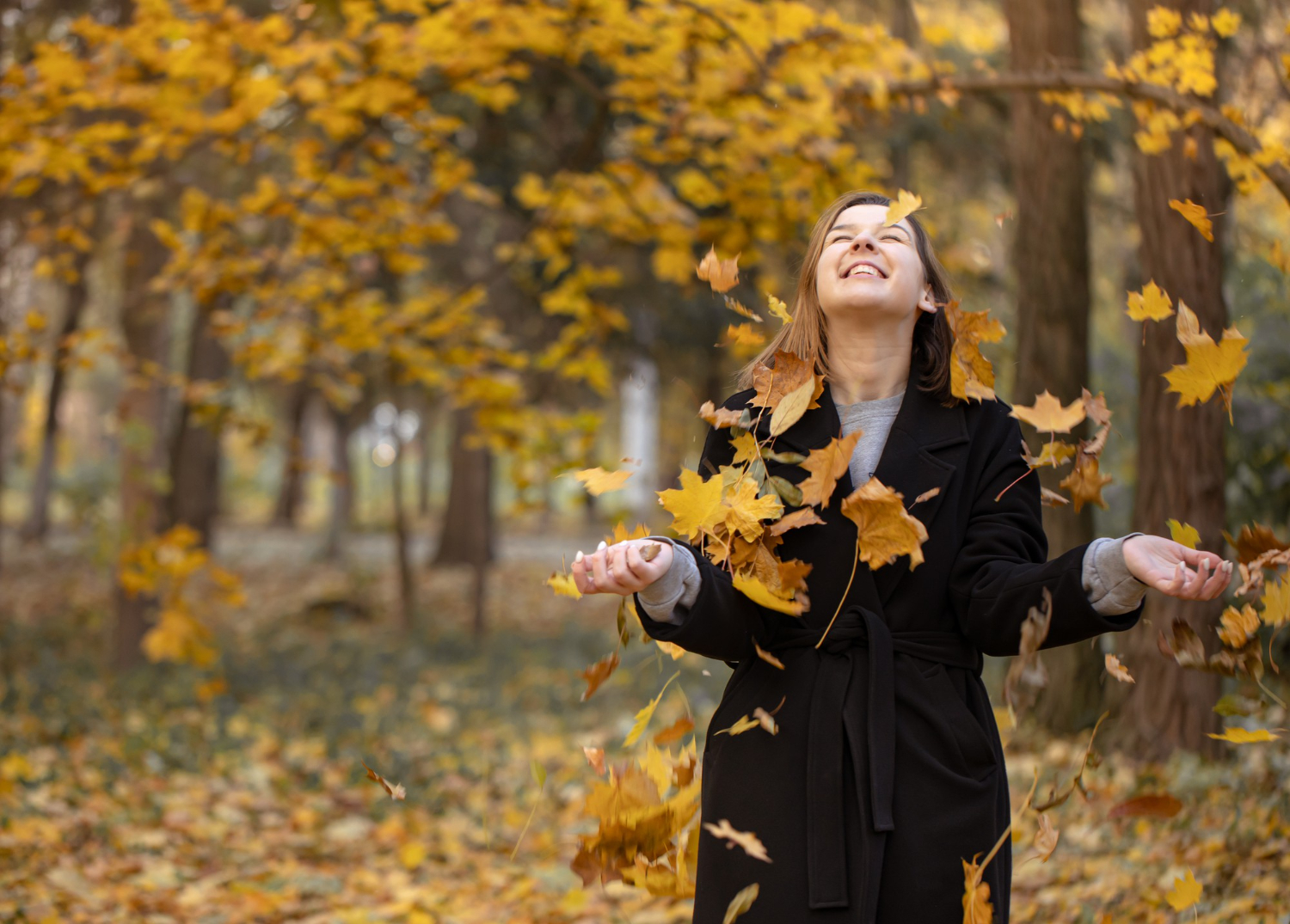
As the clocks change and the evenings draw in, it's completely normal to feel your energy dip and catch every cold going round the office. Supporting your immunity and energy naturally through autumn isn't about a single supplement or superfood. It comes down to a short list of habits with real evidence behind them. Sleep, vitamin D, regular movement, and proper recovery time all play a measurable part, and most of it fits around a busy diary rather than asking you to overhaul your life.
Shorter days mean less sunlight, and that has a direct effect on how much vitamin D your body can make, which in turn affects immune function. Between October and early March, sunlight in the UK is too weak for your skin to produce meaningful amounts, which is why the NHS recommends a daily supplement containing 10 micrograms of vitamin D for most adults over the colder months. On top of that, everyone spends more time indoors as the weather turns, which means more exposure to the viruses that cause colds and flu, and routines get busier as summer holidays end and the year heads towards its final stretch.
If you only change one thing this autumn, make it sleep. Researchers at Carnegie Mellon University tracked volunteers' sleep with wearable sensors, then exposed them to a common cold virus under controlled conditions. People sleeping six hours or less a night were more than four times as likely to develop a cold as those sleeping seven hours or more, regardless of their age, stress levels or diet. It's a striking reminder that recovery sleep does more than help you feel rested.
Vitamin D plays a direct role in how your immune system responds to infection, and most people in the UK don't get enough of it once the clocks go back. The NHS advice is straightforward. Take a 10 microgram daily supplement from around October through to early March, particularly if you spend most of the day indoors or have darker skin, both of which reduce how much vitamin D you make from sunlight.
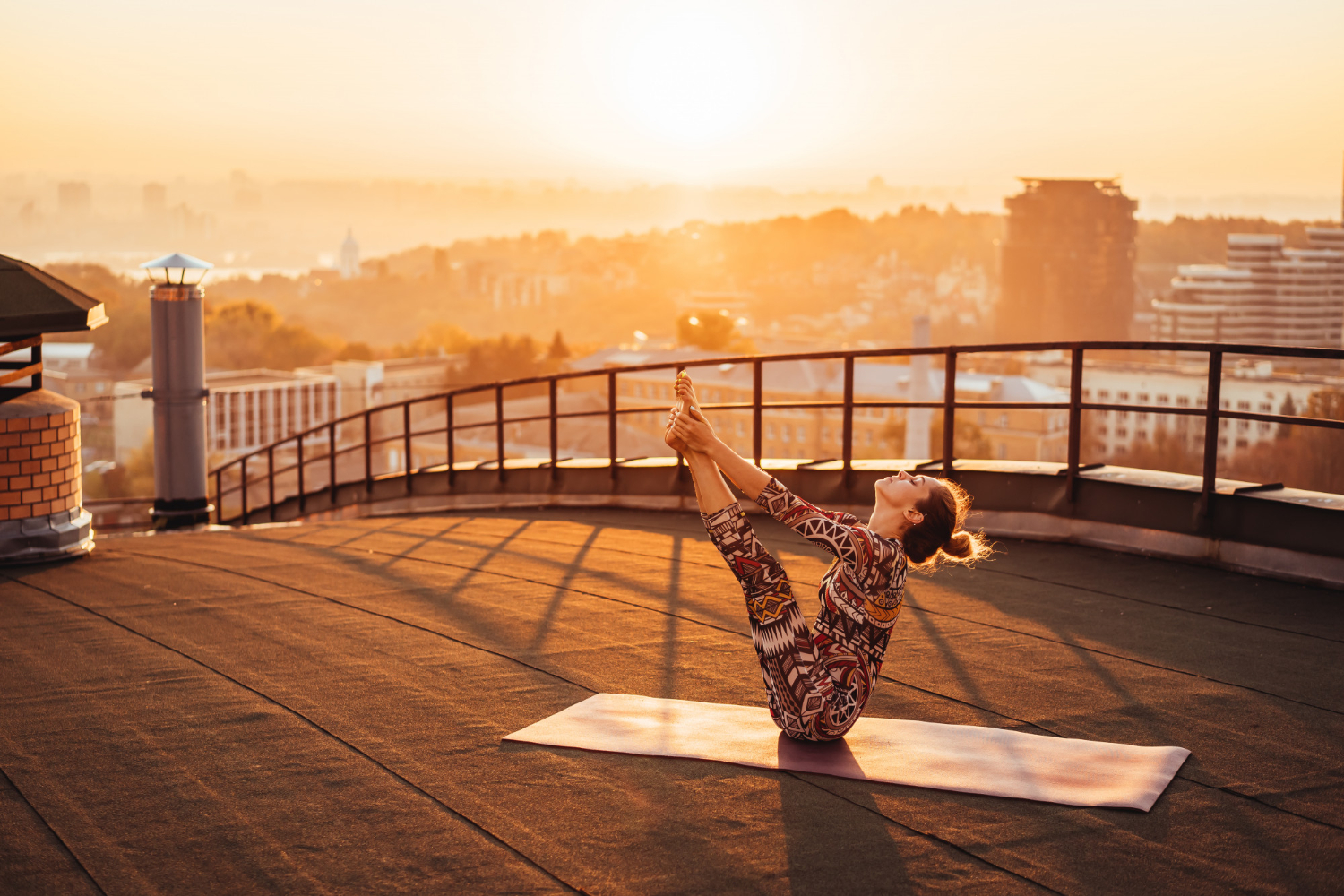
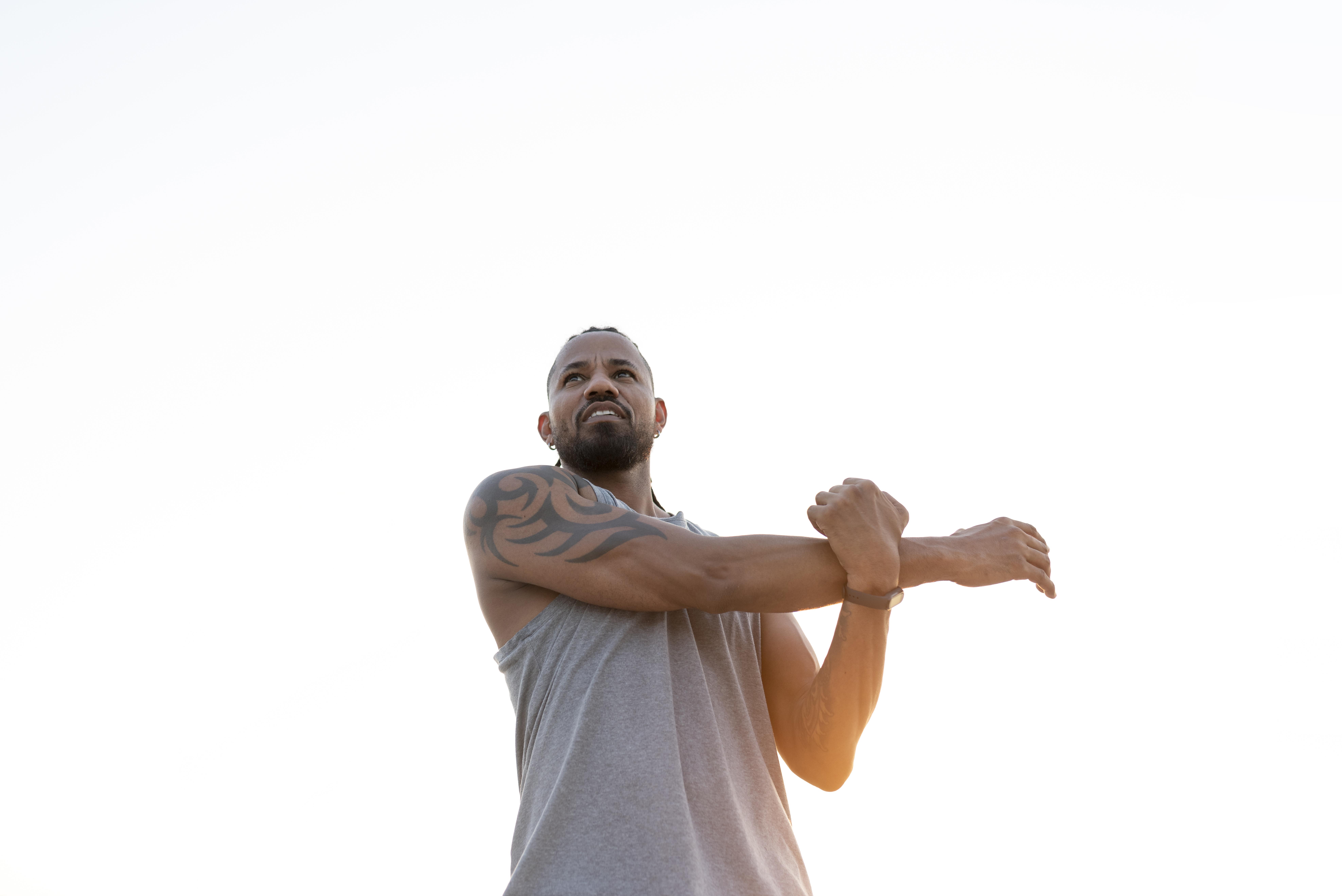
Regular, moderate movement supports circulation, mood and sleep quality, three things that all feed into how resilient you feel through autumn. It doesn't need to be intense. A brisk walk at lunchtime, a short swim, or stretching before bed all count, and getting outside for even ten minutes helps reset your body clock as daylight hours shrink.
Daily habits do most of the work, but how you recover matters just as much, especially once autumn brings a heavier run of meetings, travel and early starts. This is where treatments like sauna, cold exposure and massage earn their place. They aren't just indulgent extras. They have measurable physiological effects.
Heat and cold both put a manageable amount of stress on the body, and that stress appears to train it. A review of the evidence published in Mayo Clinic Proceedings found that regular sauna users report fewer colds, cases of flu and instances of pneumonia than people who rarely use one, an effect thought to be linked to how heat stress supports immune cell activity and lung function.
Cold exposure has its own evidence base. A randomised controlled trial published in PLOS ONE found that office workers who finished their showers with 30 to 90 seconds of cold water took 29 percent less sick leave over the following months than those who showered normally, even though they weren't falling ill any less often. The researchers suggested cold exposure may build resilience and a willingness to push through minor symptoms, rather than preventing infection outright. If you want to build contrast therapy into a regular routine, spa access at Park Lane Wellness includes sauna and plunge pool facilities in a private, unhurried setting.
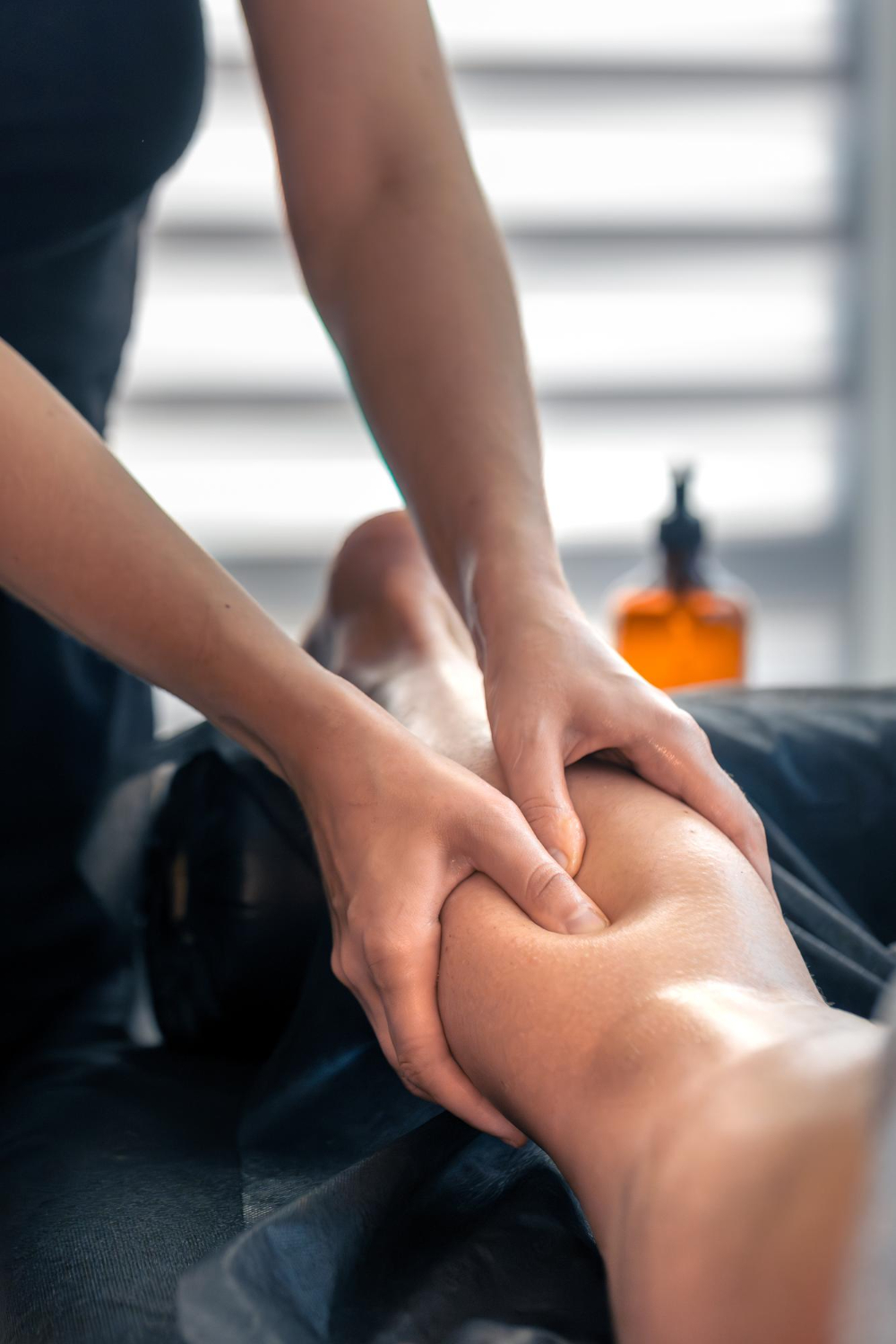
Massage does more than ease tight muscles. Researchers at Cedars-Sinai gave healthy adults a 45 minute Swedish massage and took blood samples before and after. They found measurable changes in cortisol and lymphocyte activity, including a drop in the stress hormone cortisol and shifts in the white blood cells that help fight infection. A single session won't replace sleep or vitamin D, but it adds up when stress has been running high. A lymphatic drainage massage is worth considering if you're feeling sluggish or puffy as the seasons change, while a hot stone massage combines the same stress relieving effects with deeper muscle recovery.
Chronic stress is one of the most consistently studied drivers of poor immune function, so taking proper time to switch off matters as much as anything else on this list. A hammam ritual, with its steam, exfoliation and slower pace, is built around exactly that kind of full stop to the week. The Royal Hammam Ritual is a good option if you want a longer, more thorough version of the experience.
None of this needs to happen every day to make a difference. Aim to protect your sleep most nights, take a vitamin D supplement daily from October, get outside briefly even on busy days, and book in one proper recovery session most weeks, whether that's a sauna, a massage or something longer. If you're eligible for a flu vaccine, it's worth booking early too. Most eligible people in England can get one from 1 October, and having it before infections peak in November and December means better protection when you need it most.
For anyone dealing with jet lag, disrupted sleep or fatigue that's built up over a demanding few months, The International Reset is designed specifically to recalibrate the body after travel or seasonal fatigue. If work pressure is the bigger issue, The Executive Reset focuses on decompression and getting back to full capacity quickly.
Occasional autumn sluggishness is normal. Persistent exhaustion, frequent infections, or fatigue that doesn't improve with better sleep and rest are worth mentioning to a GP, since they can sometimes point to something that self-care alone won't fix.
Autumn doesn't have to mean running on empty until spring. Start with the basics, protect your sleep, take your vitamin D, and get outside when you can, then build proper recovery time into your calendar the same way you'd protect a meeting. Your body will thank you well before the clocks change again.
How can I boost my immune system naturally in autumn?
Focus on the basics first. Consistent sleep, a vitamin D supplement from October, regular movement and time outdoors all make a measurable difference. Recovery treatments like sauna, massage and hammam rituals can support this further by lowering stress and giving your body proper downtime, but they work best alongside good sleep and nutrition rather than instead of them.
Why do I feel more tired when the seasons change?
Shorter daylight hours affect your body clock and can lower vitamin D production, both of which influence energy levels. Returning to busier routines after summer and spending more time indoors also play a part, so autumn fatigue is usually a combination of several small factors rather than one single cause.
Does a sauna actually help with immunity?
There's genuine evidence for it. Research published in Mayo Clinic Proceedings has linked regular sauna use with fewer respiratory infections, likely because the heat stress supports immune cell activity. It works best as part of a routine rather than a one-off session.
How much vitamin D should I take in autumn and winter in the UK?
The NHS recommends a daily supplement containing 10 micrograms of vitamin D for most adults from around October to early March, when sunlight isn't strong enough for your skin to produce it naturally.
Can massage really support your immune system?
Studies have found that a single massage session can lower cortisol and change the activity of certain white blood cells involved in fighting infection. It's not a replacement for sleep or vitamin D, but it's a useful part of managing the stress that tends to suppress immune function.
Lorem ipsum dolor sit amet, consectetur adipiscing elit.


JOIN THE PARK LANE COMMUNITY
Join our community and receive exclusive wellness tips, seasonal offers, and early access to new treatments.

Experience the art of wellness



.svg)
.svg)