


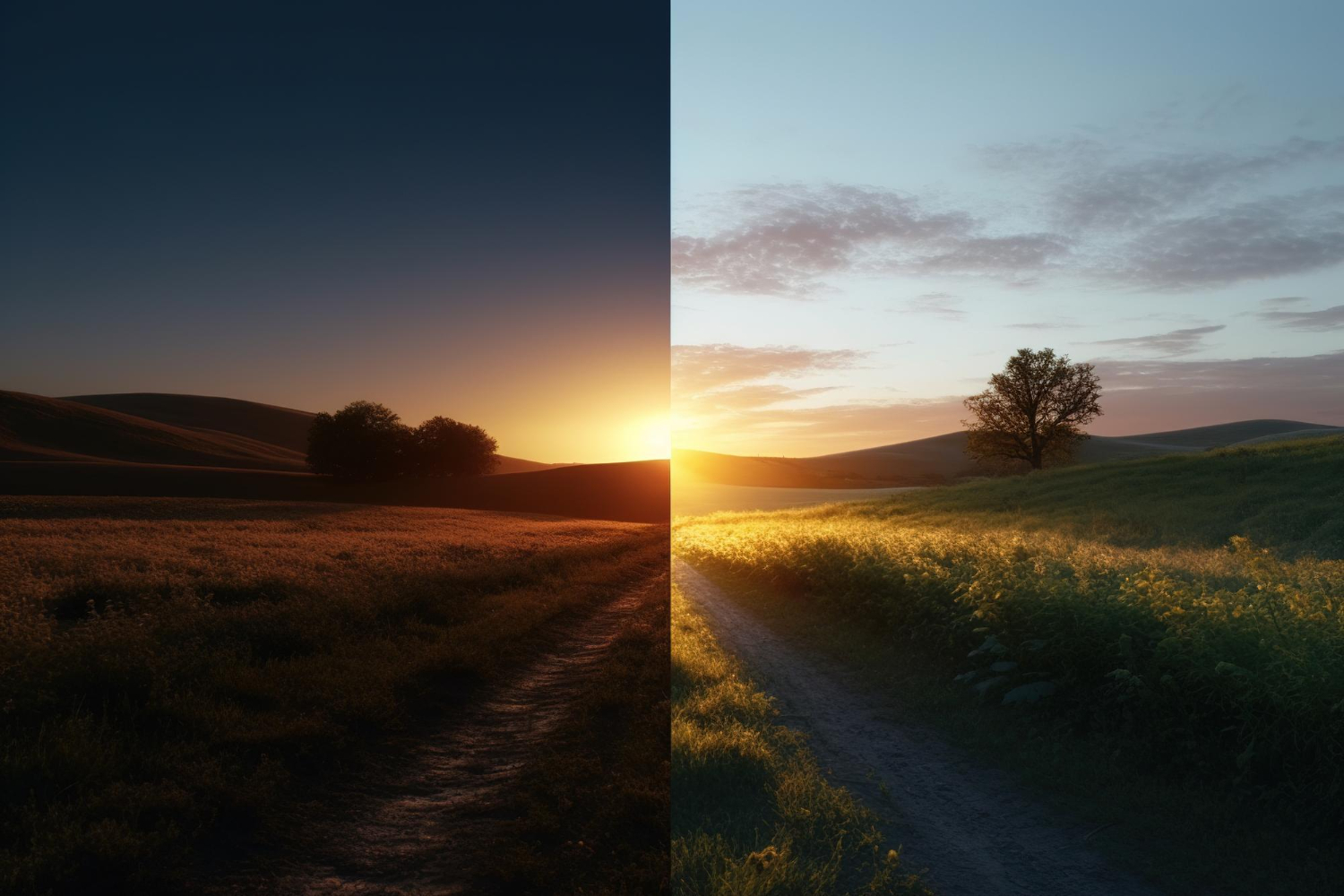
If you've ever debated whether to book your spa visit before work or after it, the honest answer is that both have real, measurable effects on your body, just different ones. A morning or midday session works with your natural cortisol rise to sharpen focus and ease the stiffness of a long night's sleep. An evening session works with the opposite side of that same rhythm, lowering your core body temperature and cortisol to help you wind down and sleep better. Neither is objectively better. The right choice depends on what your body actually needs that day.
At Park Lane Wellness, we hear this question from Mayfair professionals constantly, usually from people trying to fit a spa visit around a packed diary rather than choosing it freely. So it's worth understanding what's actually happening in your body at different points in the day, not just picking a slot because it happened to be free.
What Your Body Is Doing at Different Times of Day
Your body runs on a roughly 24 hour internal clock, and two of the biggest players in that clock are cortisol and core body temperature. Cortisol, often labelled a stress hormone but really more of an alertness hormone, peaks shortly after you wake up and then gradually declines through the day, a pattern researchers call the circadian regulation of cortisol. That morning peak is what gets you out of bed and thinking clearly. By evening, cortisol has dropped considerably, which is part of why you naturally feel calmer and readier for rest as the day winds down.
Core body temperature follows its own curve too. It rises through the day, peaks in the early evening, and then falls as bedtime approaches, a drop your brain reads as one of the signals that it's time to sleep. This is exactly why deliberately warming the body a couple of hours before bed, then letting it cool again, can help you fall asleep faster. It's the same mechanism a warm bath uses, and it's well documented. A systematic review and meta-analysis covered by researchers at the University of Texas at Austin found that bathing in warm water roughly ninety minutes before bed measurably improved sleep quality and helped people fall asleep faster, because the warm water draws blood toward the skin, and the resulting heat loss speeds up the natural evening temperature drop.
Massage adds another layer on top of both rhythms. A well known study from Cedars-Sinai, reported by ScienceDaily, found that a single session of Swedish massage lowered cortisol levels and increased lymphocytes involved in immune function, alongside a reduction in the hormone that regulates blood pressure and stress response. In other words, the treatment itself is doing physiological work, and when you have it can change how that work lands.
The Case for a Morning or Midday Visit
If you're stiff after a night's sleep, dealing with desk related tension, or simply want to walk into the rest of your day feeling sharper, midday works in your favour. Your body is naturally more alert during this window, and treatments that involve firmer pressure tend to feel more productive when your cortisol and circulation are already elevated rather than winding down.
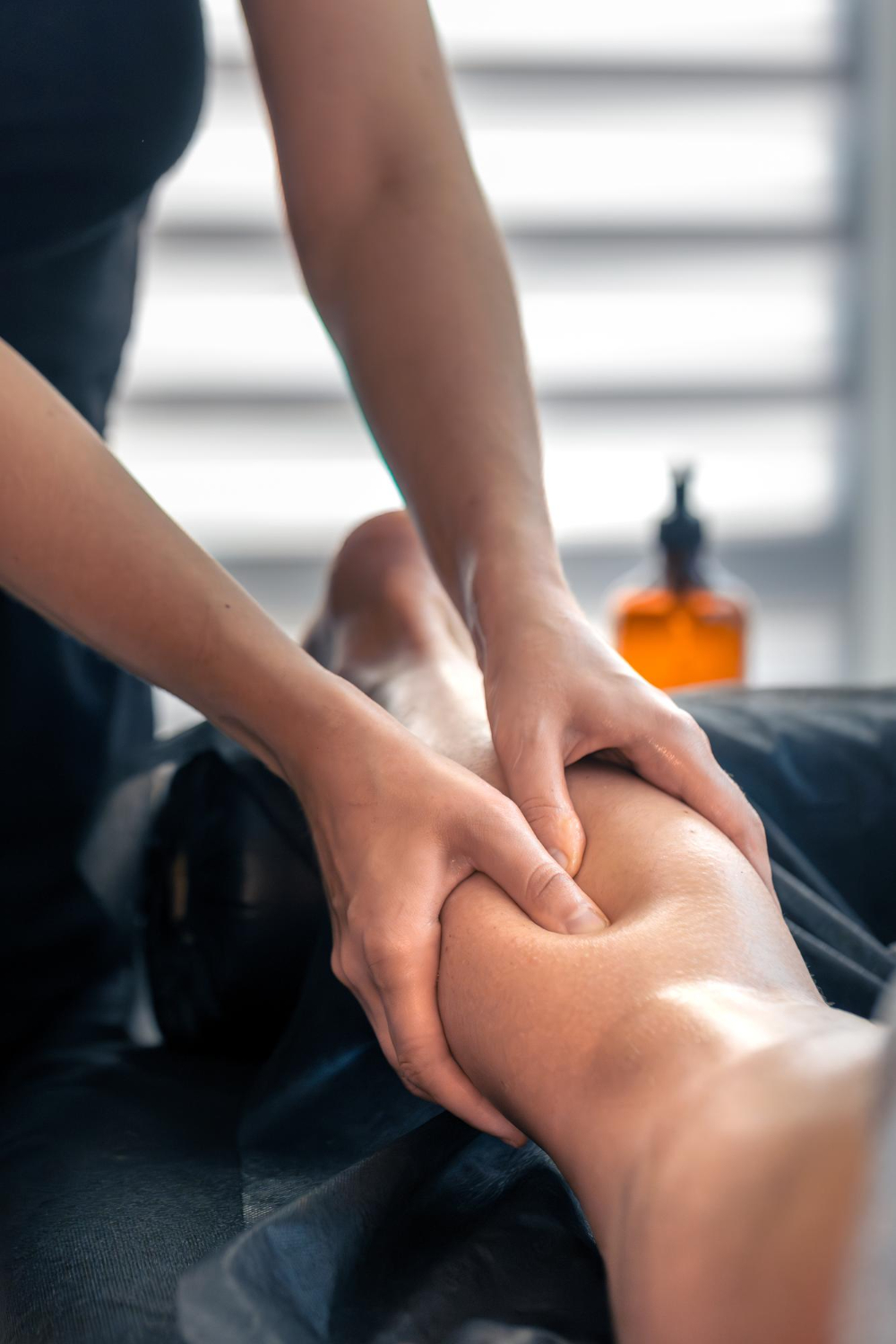
This is where a deep tissue massage earns its place. It's built for chronic tension, postural tightness and restricted movement rather than pure relaxation, and clients often describe feeling looser and more mobile immediately afterwards, which suits a day that still has meetings or a gym session ahead of it. Reflexology is another strong midday option. Its pressure point work on the feet is designed to leave you feeling grounded and balanced rather than drowsy, so it won't fight against the alertness your body is already generating.
Morning light exposure plays a supporting role here too. Getting into daylight earlier in the day helps anchor your circadian rhythm, and the Sleep Foundation notes that light is one of the strongest external cues your body uses to set that internal clock. A spa visit that gets you up, out and into a bright Mayfair morning does double duty, supporting both the treatment itself and your rhythm for the following night.
It's worth being realistic about what "morning" means in practice, though. Park Lane Wellness opens at 11am Monday to Saturday and midday on Sundays, so for most of our guests a morning spa visit is really a late morning reset rather than a 6am appointment before the office opens. That's not a compromise. A late morning session still catches the alert, elevated end of your cortisol curve, and it fits far more naturally into a London working day than trying to squeeze a treatment in before sunrise.
The Case for an Evening Visit
If the goal is winding down, sleeping better or simply switching off after a demanding day, evening has biology on its side. Cortisol is already falling, and a warming treatment can accelerate the core temperature drop that helps trigger sleep, the same mechanism behind that pre-bed bath research above.
A full body relaxation Swedish massage is built almost entirely around this effect. Long, flowing strokes calm the nervous system and ease muscular tension, and clients frequently describe struggling to switch off before the session and feeling noticeably calmer by the end of it. Heat based rituals fit the same pattern. The Royal Hammam Ritual combines a traditional Moroccan steam and exfoliation process with a full body oil massage, and it's deliberately positioned as restorative rather than invigorating, ideal for an evening when the aim is calm rather than momentum.
Even without booking a specific treatment, spa access alone, with time in the heated hydrotherapy pool, sauna and steam room, uses heat in the same way. Twenty to thirty minutes of gentle heat exposure followed by cooling down afterwards mirrors the exact pattern behind the bathing research, just in a spa setting rather than a bathtub.
For anyone whose stress is tied specifically to work pressure rather than physical tension, it's also worth reading our piece on whether chiropractic care can improve sleep, energy and posture, which digs further into how physical tension and sleep quality are connected.
So Does the Time You Book Actually Matter?
Somewhat, but not as much as matching the treatment to the goal. A deep tissue massage booked at 8pm will still ease muscle tension. A hammam ritual booked at midday will still feel restorative. What changes is how the timing works with or against your body's existing rhythm, not whether the treatment works at all.
Chronotype matters here too. Not everyone's cortisol and temperature curves peak at exactly the same clock time, and genuine night owls or early risers may find their own personal "morning" and "evening" windows sit an hour or two either side of the average. If you already know your own patterns, whether you're sharpest at 10am or you don't properly wake up until noon, book around that rather than the clock on the wall.
For many of our Mayfair clients, the honest driver isn't circadian science at all. It's the diary. If you can only get away from work at lunchtime, a midday deep tissue massage or session of spa access will still do real, useful work on your body, whatever the clock says.
How to Choose Based on What You Actually Need
If you want to feel sharper, more mobile and ready for the rest of your day, aim for a midday slot and lean toward firmer, more active treatments such as deep tissue massage or reflexology.
If you're chasing better sleep or trying to properly switch off after a stressful stretch, book in the evening and choose something warming and slow, such as the Swedish massage, the Royal Hammam Ritual, or a straightforward hour of spa access.
If you're an executive trying to combine both, structured recovery and genuine downtime, it's worth looking at The Executive Reset, which pairs massage, a facial and spa access into a single session built specifically around work pressure and long hours.
Whatever time you land on, the most useful thing you can do is pay attention to how your body actually responds and adjust from there. Biology gives you a sensible starting point. Your own experience should have the final word.
FAQs
Is it better to get a massage in the morning or at night?
It depends on the goal. Morning and midday massages work well when you want to feel alert and mobile, since your cortisol and circulation are naturally elevated during this window. Evening massages suit relaxation and sleep, since they align with your body's natural drop in cortisol and core temperature as bedtime approaches.
Does a spa visit before bed actually help you sleep?
Warming treatments in the evening can help. Research into pre-bed bathing has found that warming the body around ninety minutes before sleep, then allowing it to cool, speeds up the natural temperature drop your body uses as a cue to fall asleep. Heat based treatments and spa access work through a similar mechanism.
What's the best time of day for a deep tissue massage?
Midday or early afternoon tends to work well for deep tissue work, since your body is naturally more alert and treatments tend to feel more productive rather than sedating. That said, deep tissue massage is still effective in the evening if that's the only time available.
Can I visit the spa in the morning at Park Lane Wellness?
Park Lane Wellness opens at 11am Monday to Saturday and midday on Sundays, so morning visits are really late morning appointments rather than early starts. This still falls within the alert, elevated end of your body's natural cortisol curve, making it a genuine option for anyone wanting an energising rather than a winding down session.
Does the time of day change how effective a treatment is?
The treatment itself works regardless of when you book it. Timing changes how the effects sit alongside your body's existing rhythm rather than whether the treatment works. A hammam ritual at midday is still restorative, and a deep tissue massage in the evening will still ease tension, but each will feel slightly different depending on where your cortisol and temperature happen to be at that point in the day.
Lorem ipsum dolor sit amet, consectetur adipiscing elit.


JOIN THE PARK LANE COMMUNITY
Join our community and receive exclusive wellness tips, seasonal offers, and early access to new treatments.

Experience the art of wellness







.svg)
.svg)