



When stress hits, it can feel like your body has been hijacked. Your heart beats faster, your breathing changes, your shoulders tense and your thoughts start racing. In these moments, telling yourself to “just calm down” rarely works.
That is because stress is not only happening in your mind. It is happening in your nervous system.
The good news is that you can often begin to shift your state in as little as 90 seconds. A nervous system reset will not remove every source of stress from your life, but it can help interrupt the immediate fight-or-flight response and give your body a chance to feel safe again.
This guide explains how to reset your nervous system in 90 seconds using simple, body-based techniques you can use almost anywhere.
A nervous system reset is a quick technique that helps move your body out of a heightened stress response and back towards a calmer state.
When your body senses pressure, danger or overwhelm, it can activate the sympathetic nervous system. This is often called fight-or-flight. You may notice a faster heart rate, shallow breathing, tight muscles, anxious thoughts or a feeling of urgency.
A reset helps activate the parasympathetic nervous system, also known as the rest-and-digest state. This is where your body can slow down, soften and recover.
A nervous system reset is not about ignoring your emotions. It is about helping your body feel safe enough to process them.
Yes, you can begin to change your physiological state in 90 seconds.
Many emotional waves rise and fall quickly when we stop feeding them with more thoughts, tension or panic. The first 90 seconds are often enough to interrupt the stress loop, slow your breathing and bring your attention back to the present moment.
However, it is important to be realistic. A 90-second reset is not a cure for chronic stress, trauma, anxiety or burnout. It is a practical tool for calming your body in the moment.
Think of it as a pause button. It gives you enough space to respond rather than react.
Use this simple reset when you feel anxious, overstimulated, tense, irritable or emotionally overwhelmed.
Before taking a deep breath in, start with a slow exhale.
When we are stressed, we often hold our breath without realising it. A long exhale sends a calming signal to the body and helps release built-up tension.
Try this:
Slowly breathe out through your mouth.
Let your shoulders drop.
Relax your jaw.
Soften your stomach.
Do not force it. Just let the breath leave your body slowly.
A physiological sigh is a simple breathing technique that can help quickly reduce feelings of stress.
Take a deep inhale through your nose.
Before you exhale, take a second smaller inhale at the top.
Then exhale slowly and fully through your mouth.
Repeat this 2–3 times.
This technique is useful because it helps release excess carbon dioxide, slows the breath and gives your body a strong signal that it can begin to calm down.
Now bring your attention out of your thoughts and into your body.
Press both feet into the floor.
Notice the support underneath you.
Feel your legs, hips and back.
If you are sitting, notice the chair holding you.
Then look around the room and name three things you can see.
This reminds your brain that you are here, now, in the present moment. It can help reduce the sense of panic or urgency that often comes with stress.
Stress often collects in the same places: the jaw, shoulders, chest, hands, stomach or forehead.
Choose one area and soften it.
Unclench your jaw.
Drop your shoulders.
Open your hands.
Relax your forehead.
Let your stomach soften.
You do not need your whole body to relax at once. Releasing one area can be enough to start changing your state.
Finish with a short phrase that reminds your body you are safe in this moment.
Try:
“I am safe right now.”
“This feeling will pass.”
“I can slow down.”
“I do not need to fix everything in this second.”
“My body is allowed to relax.”
Say it slowly. You can say it out loud or silently in your mind.
Here is the full technique in one simple flow:
0–15 seconds: Slowly exhale and drop your shoulders.
15–40 seconds: Take 2–3 physiological sighs.
40–60 seconds: Press your feet into the floor and notice your body.
60–75 seconds: Name three things you can see.
75–90 seconds: Relax your jaw, soften your hands and repeat a calming phrase.
This is quick enough to use before a meeting, after a stressful message, during a busy day or whenever you feel yourself becoming overwhelmed.
A 90-second nervous system reset can be helpful when you feel:
You can also use it before stressful moments, not just during them. For example, before a difficult conversation, presentation, appointment, social event or busy commute.
The body can shift faster than most people realise.
When stress rises, the body releases a wave of physical sensations. Your heart rate may change, your breathing may become shallow and your muscles may prepare for action. If you keep replaying the stressful thought, the loop continues. If you interrupt it, breathe through it and come back to the present, the intensity can begin to reduce.
This is why body-based tools are so helpful. Instead of trying to think your way out of stress, you give your nervous system a direct calming signal.
The 90-second reset is a strong starting point, but different techniques work for different people. You can also try:
Inhale for four counts, hold for four, exhale for four and hold for four. Repeat for a few rounds. This can help steady your breathing and focus your attention.
Inhale for four counts and exhale for six. Longer exhales can encourage the body to slow down.
Running cool water over your wrists or splashing your face can create a quick sensory shift and help bring you back into the present.
Roll your shoulders, stretch your neck or gently shake out your hands. This can help release built-up stress energy.
Place one hand on your chest and one on your stomach. Gentle pressure can feel grounding and reassuring.
Notice five things you can see, four things you can feel, three things you can hear, two things you can smell and one thing you can taste.
A 90-second reset is perfect for the moment stress hits, but deeper relaxation often needs more time and support.
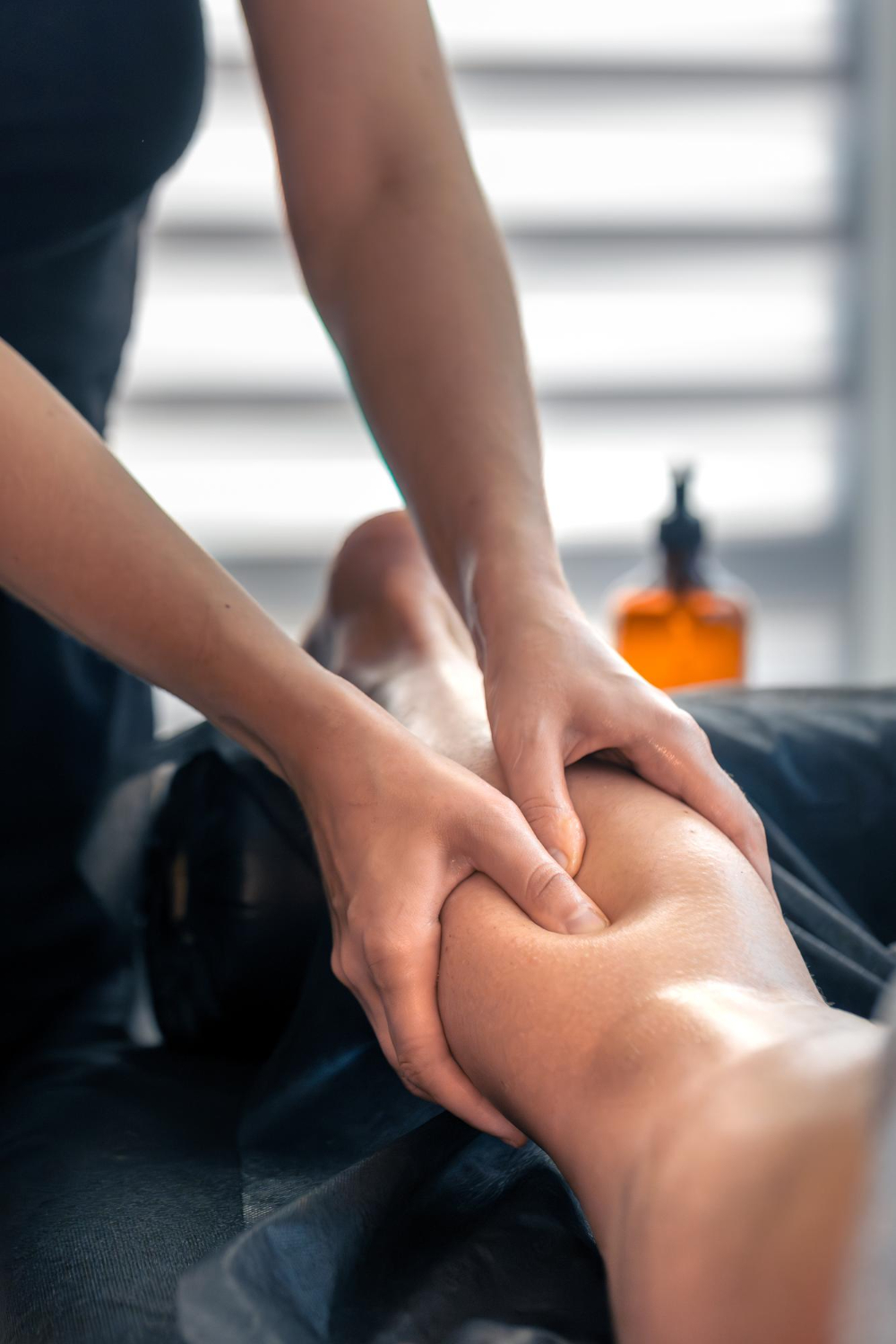
Spa and wellness treatments can help create the conditions your nervous system needs to properly unwind. Warmth, stillness, therapeutic touch, calming scents and a quiet environment all send signals of safety to the body.
Treatments that may support relaxation include:
These experiences give your body permission to slow down for longer than 90 seconds. They can be especially helpful if you have been feeling tense, depleted, overstimulated or unable to switch off.
A quick nervous system reset is useful when you need immediate calm. It helps you pause, breathe and come back to yourself.
However, if your body is constantly running on stress, it may also need longer recovery rituals. This could include regular massage, quiet spa time, better sleep, gentle movement, therapy, time away from screens or a more consistent self-care routine.
Use the 90-second reset as your first step, not your only step.
A nervous system reset can help with everyday stress and emotional overwhelm, but it is not a replacement for professional help.
If you regularly experience panic attacks, severe anxiety, trauma symptoms, depression, burnout or distress that affects your daily life, speak with a qualified healthcare or mental health professional.
You should seek urgent support if you feel unsafe, unable to cope or at risk of harming yourself.
You do not need to wait until you are completely overwhelmed to calm your nervous system. In just 90 seconds, you can pause, breathe, ground your body and remind yourself that you are safe in this moment.
Start with one slow exhale. Take a physiological sigh. Feel your feet on the floor. Relax your jaw. Soften your shoulders. Let the wave pass.
Your nervous system does not need to be forced into calm. It needs to be gently reminded that it is safe to slow down.
Lorem ipsum dolor sit amet, consectetur adipiscing elit.


JOIN THE PARK LANE COMMUNITY
Join our community and receive exclusive wellness tips, seasonal offers, and early access to new treatments.

Experience the art of wellness







.svg)
.svg)